

Italy's Biggest Wine Heist: Masked Thieves Steal 30,000 Antinori Bottles Worth €5 Million
Tignanello, Solaia and Guado al Tasso — three of Tuscany's most collected wines — vanished from a Cortona warehouse in a single three-hour night.
It took a masked gang about three hours, two trucks and the winery's own forklifts. By Sunday morning, roughly 30,000 bottles of some of Italy's most famous wines were gone from a Marchesi Antinori warehouse near Cortona — a haul worth about €5 million. The 640-year-old wine dynasty says it is the largest wine theft ever recorded in Italy, and the alarms that should have stopped it never made a sound.
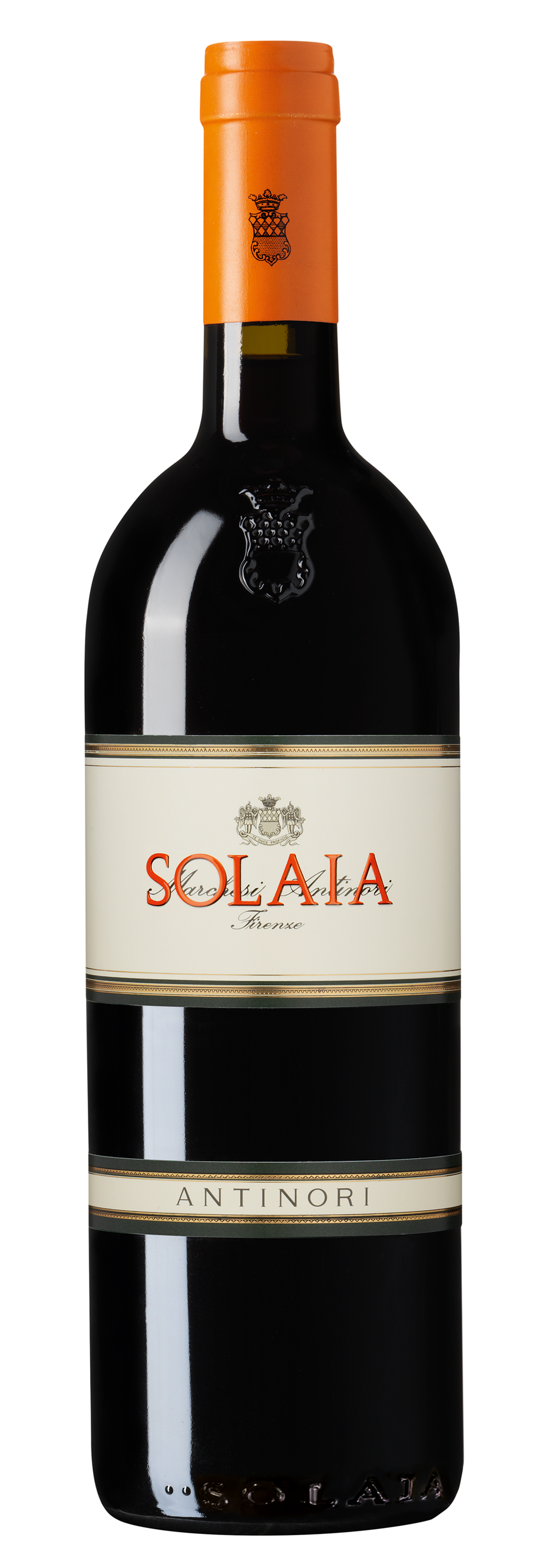
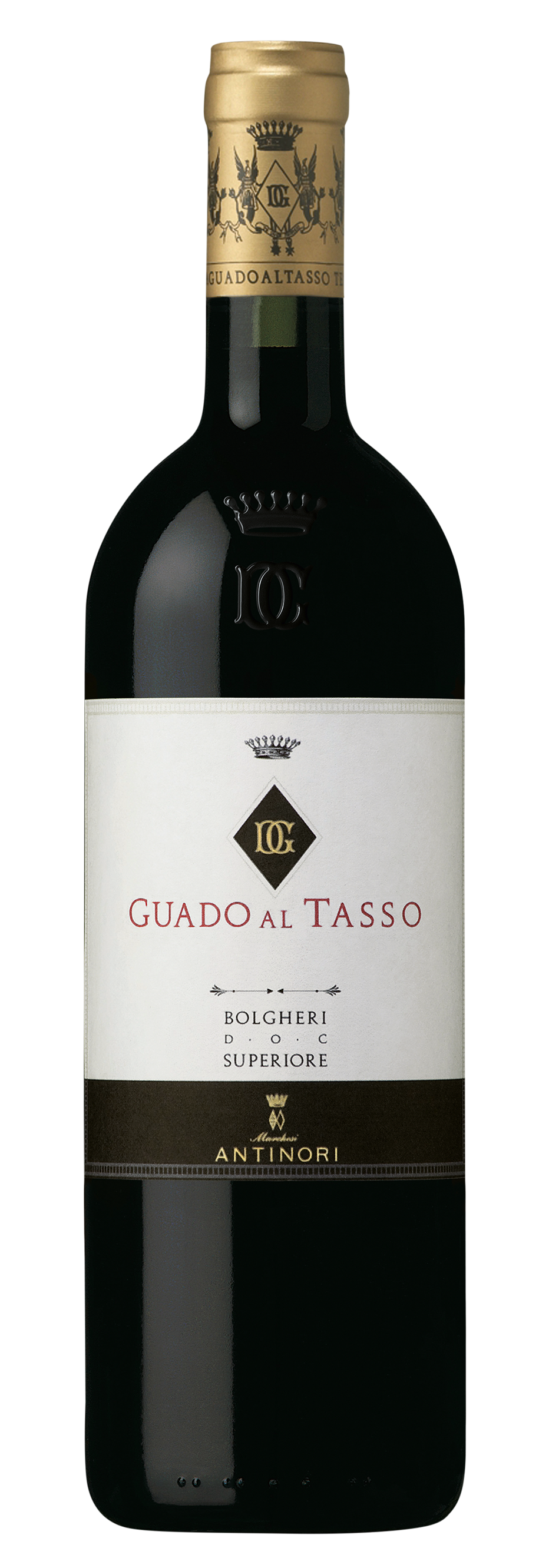
- About 30,000 bottles of 2023 Tignanello, Solaia and Guado al Tasso were stolen — roughly 10,000 of each.
- Antinori values the loss at €5 million (~$5.8M); at U.S. retail prices it is closer to $8.2 million.
- At least seven thieves disabled alarms and cameras, then loaded two large trucks with the company's forklifts.
- The alarms were reportedly switched off from inside the day before — investigators have named no suspects yet.
- It smashes Italy's previous record: a €750,000 wine theft in Cervia in 2017.


How the Antinori Wine Heist Happened
The target was Marchesi Antinori's facility near Cortona, in the province of Arezzo. On Saturday night, October 3, a group of at least seven people entered the site after the alarm system and surveillance cameras had been knocked out. According to Antinori CEO Renzo Cotarella, they arrived with two large trucks and used the company's own forklifts to load the wine before disappearing into the night.
The timing was not random. The bottles were already packed and waiting to be shipped to Antinori's export markets — in other words, perfectly stacked for a fast getaway. A spokesperson from Antinori's communications office told Fortune that the alarms had been switched off from inside the building the day before. How that happened is still unknown.
A Timeline of the Theft
“A theft of this size and value has never occurred in Italy.
— Renzo Cotarella, CEO, Marchesi Antinori
Which Wines Were Stolen — and What Are They Worth?
Every stolen bottle came from the 2023 vintage, which Cotarella described as an exceptional year. The gang took roughly 10,000 bottles each of three icons. In Europe these wines usually sell for €150 to €500 a bottle, which is how Antinori arrives at its €5 million loss. Using average U.S. shop prices, Fortune calculated a value of about $8.2 million.
| Wine (2023) | Region | Bottles taken | Avg. U.S. retail |
|---|---|---|---|
| Solaia | Chianti Classico area | ~10,000 | ~$430 |
| Tignanello | Chianti Classico area | ~10,000 | ~$200 |
| Guado al Tasso | Bolgheri | ~10,000 | ~$190 |
| Total | ~30,000 | €5M / ~$8.2M | |
Why These Three Wines?
Tignanello and Solaia helped create the "Super Tuscan" category in the 1970s, and Guado al Tasso is one of Bolgheri's best-known reds. All three are sold in small allocations to importers and restaurants, which makes them prized — and, the company hopes, hard to dump on the market without someone noticing. The choice of wines, and the decision to strike when export pallets were ready, has led investigators and the company to suspect the thieves had detailed inside knowledge.
A Record-Breaking Italy Wine Theft
Before this, Italy's biggest wine robbery took place in 2017, when thieves took about 2,000 rare bottles worth €750,000 from a warehouse near the Adriatic town of Cervia. The Antinori theft is more than six times larger by value and fifteen times larger by volume. Cotarella also suggested the same organized group may be behind other recent winery raids in Italy — including a July theft of 3,300 bottles from Castello Banfi.
The Investigation: Can 30,000 Bottles Just Disappear?
Police and the Carabinieri are studying surveillance footage and other evidence, but no suspects have been named and no arrests have been made. Authorities have asked Antinori not to release its video while the probe continues. Cotarella says he is confident the shipment can be traced, because two truckloads of wine are very hard to move quietly.
There is a catch. Since the 2016 vintage, Antinori bottles carry a small anti-counterfeit label that anyone can scan with a phone to check if a bottle is genuine. But those labels prove authenticity — they do not track location. The company admitted the marks will not help it find the stolen wine.
A Warning to Buyers in 170 Countries
Antinori is alerting importers, retailers and collectors across the 170 countries it sells to. The message is simple: be careful with any 2023 Tignanello, Solaia or Guado al Tasso offered outside official sales channels. In Italy, knowingly buying stolen goods is itself a crime. According to Italian newspaper Corriere della Sera, the company's insurance did not cover a loss of this size.
- 2023 Tignanello, Solaia or Guado al Tasso at unusually low prices
- Large lots from sellers who are not authorized distributors
- Missing paperwork or vague storage history
Who Is Marchesi Antinori?
Marchesi Antinori is one of the oldest family businesses in the world. Founded in 1385, it has been run by the Antinori family for 26 generations. Its wines are sold in about 170 countries, with the United States as its largest market outside Italy. For the company, the damage goes beyond money: some families have worked at Antinori for five generations, and a communications spokesperson described the theft to Fortune as "a blow to the heart."
FAQ: The Antinori Wine Heist
What was stolen in the Antinori wine heist?
How much is the stolen wine worth?
How did the thieves pull it off?
Is this the biggest wine theft in history?
Has anyone been arrested?
A disciplined, well-informed gang walked out of an Antinori warehouse with about 30,000 bottles of Tuscany's most famous wines — Italy's biggest wine heist ever. With no arrests, alarms switched off from inside, and an insurance gap, the case now depends on one thing: whether anyone can sell that much rare 2023 Tignanello, Solaia and Guado al Tasso without leaving a trail.
This article is based on a report by Youm7 (اليوم السابع).
Read the original report ↗
